anti·ntwrk Manifesto
I am creating anti·ntwrk because I refuse to accept what social networks have become.
We came for the people. We found friends, built communities, and spent years sharing what mattered to us. Now, more and more often, we open Facebook and ask ourselves: where did it all go?
Where are the people we followed? Why do we see endless recommendations, fabricated stories, and other people's scandals instead? Why do ten minutes in the feed leave us irritated rather than glad to have connected?
Our own feed no longer feels like ours. And we are being taught to accept that as normal.
Our patience is not consent
I refuse to accept that people have to guess why restrictions were imposed and fight for a clear answer when their account, their work, or years of relationships are at stake.
I refuse to accept that real people have to prove they are not bots while coordinated manipulation continues to poison discussions.
And I especially refuse to accept the excuse that ends almost every conversation about this:
“Where else would we go? Everyone is here.”
The fact that our friends are here does not give Facebook the right to treat us like hostages.
People create the value of a social network. Our writing, photographs, knowledge, and relationships. Our willingness to talk and help one another. Without that, even the most expensive platform is just an empty website.
In the fifth year of the war, this can no longer be dismissed as an oversight
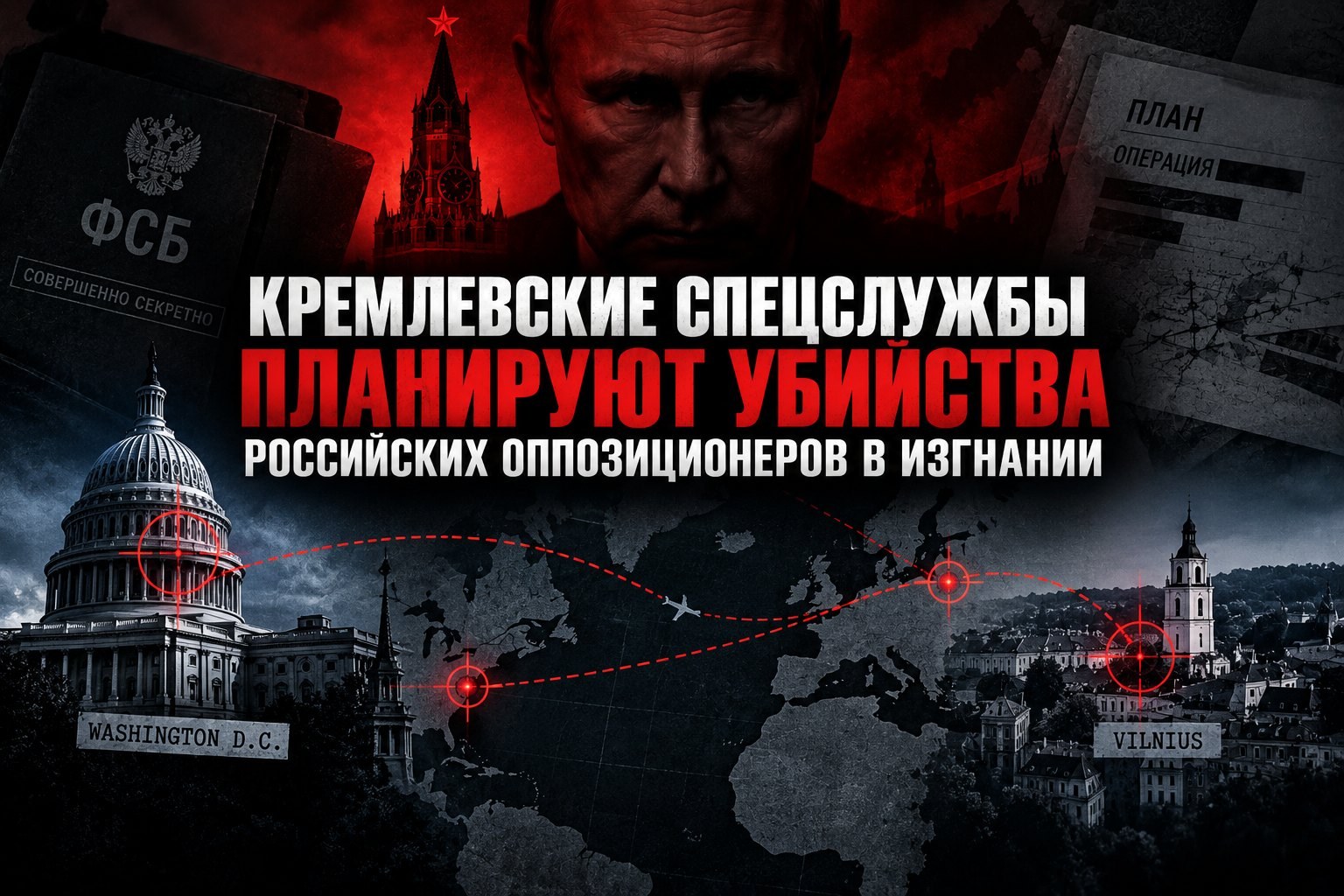
In the fifth year of Russia's full-scale war against Ukraine, Facebook remains a platform for Russian propaganda that justifies aggression and discredits its victims.
I believe that, by failing to provide an effective response to these campaigns, Facebook is effectively enabling them. Announcing a fight against manipulation is not enough if people keep encountering it in their feeds.
In my investigation into Russian propaganda on Facebook, I showed how coordinated activity and fake accounts help spread propaganda. Based on my observations since publication, many of the pages and profiles identified continue to operate despite reports.
How many more years of war must pass before efforts to counter propaganda are judged by results, not by Meta's statements?
This is not about banning inconvenient opinions. It is about organised deception that passes off a coordinated campaign as the voices of ordinary people.
Freedom of speech protects a person's right to speak. It must not become an excuse for inaction in the face of factories of lies.
Our safety matters more than someone else's revenue
Fake shops. “Guaranteed investments.” Miracle cures. Familiar faces made to appear to say things they never said.
Behind these traps are lost savings and betrayed trust. Yet the platform earns money from their paid promotion.
In November 2025, Reuters reported that an internal Meta forecast projected roughly 10% of its 2024 revenue—about $16 billion—would come from advertising scams and other prohibited offerings. The investigation also described cases in which advertisers suspected of fraud were charged higher rates instead of being blocked. Meta disputed the interpretation of the documents and said it had carried out large-scale removals. Reuters investigation, published by ABC
To me, this is a fundamental conflict of interest: protecting users means giving up revenue from dangerous content.
Users should not have to pay for that conflict with their savings.
Truth is not measured in likes
In 2025, Meta ended its independent fact-checking programme in the United States, replacing it with Community Notes. That is its choice. I believe checking claims should become more accessible, and accountability for spreading falsehoods should become stronger. Meta's decision
Everyone has a right to an opinion. But fiction does not become fact because it has been repeated a thousand times. And an army of accounts should not decide what we believe.
We need sources, evidence, and the ability to ask questions—including of those who take on the task of checking others.
Instead of another complaint, a different network
anti·ntwrk is my answer to the feeling that we have no say.
I am not building it to offer the same Facebook with a different logo. I want to restore the purpose of social networks: connection, trust, and the chance to be heard.
Your connections should matter. The friends, authors, and communities you choose receive priority in your feed. How it works should be understandable, and you should be able to choose the order in which posts appear.
Claims should be open to scrutiny. On anti·ntwrk, you can request a fact-check of a text post and receive a result with sources and an explanation. AI is a tool here, not an infallible judge. An author's opinion should be distinguished from a verifiable claim, and fact-checking conclusions should be open to revision.
The rules must bind the platform too. If we demand accountability from users, we must accept it ourselves: investigate reports, explain decisions, and correct mistakes.
Valuable contributions deserve support. Interesting authors and people who help the community deserve attention. We are developing a Kindness system so that members can support one another and use the points they earn within the network.
I am not promising a place without disagreements. Debate is a normal part of free conversation. I want arguments to carry weight—not account factories.
Right now, anti·ntwrk is in alpha. There will be bugs. My responsibility is not to pretend they do not exist, but to listen to people and fix what does not work. Judge this network by what it does, not by this manifesto.
Facebook must not be our only option
I want to take away not Facebook's right to exist, but its certainty that we have nowhere else to go.
If we call this a virtual war, it is peaceful competition for people's trust. No harassment, hacking, or attacks. Our answer is to build something people genuinely want to use.
You do not need to delete your account and cut your ties today. Start by no longer treating Facebook as the only place where those connections can exist.
Join anti·ntwrk. Write your first post. Invite the people whose thoughts genuinely interest you. Share this manifesto if you have long wanted to say the same thing.
We came to social networks to connect with one another. It is time to find one another again.
Text claims supported by sources
The statements are almost entirely supported by sources, although some phrasings reflect the author's personal opinion.
I verified only those claims that could be cross-referenced with public primary sources.
Sources
- Meta Newsroom: More Speech and Fewer Mistakes (Jan 7, 2025) — announcement ending third‑party fact‑checking in the US and moving to Community Notes ↗
- Meta Newsroom: Testing Begins for Community Notes on Facebook, Instagram and Threads (updated Apr 7, 2025) — ending third‑party fact checking in the US and Community Notes appearing ↗
- Meta Oversight Board document (PDF): Community Notes PAO Request — references Meta’s Jan 7, 2025 decision to end third‑party fact‑checking in the US ↗
- Gulf Times PDF reprinting Reuters content (Nov 9, 2025) — internal documents indicating ~10% ($16B) revenue from scam/banned-goods ads and Meta response statements ↗
- BERNAMA (Reuters pickup), Nov 7, 2025 — Meta projected about 10% revenue (~$16B) from scam/banned-goods ads, per internal documents reviewed by Reuters ↗
- TechCrunch (Nov 6, 2025) — summary of Reuters report about Meta internal projection of 10% ($16B) revenue from scam ads ↗